

Introduction
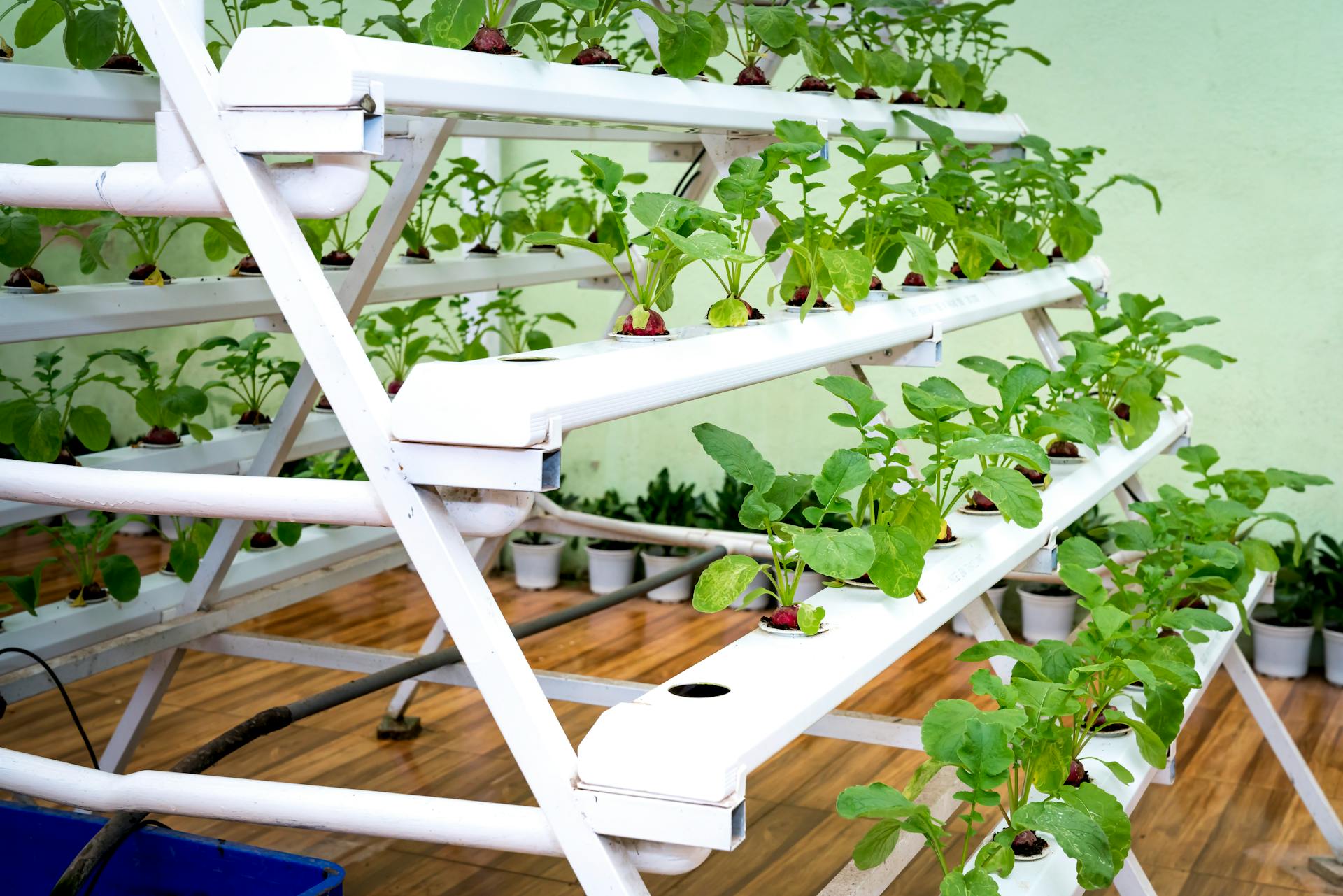
Welcome to the world of vertical gardening – a creative way to bring lush greenery into your life without worrying about limited space. Perfect for urban dwellers, balcony owners, or anyone who wants to transform plain walls into vibrant living art, vertical gardening makes it possible to grow up instead of out. This modern gardening trend not only maximizes small spaces but also adds beauty, freshness, and charm to your home or outdoor areas. Whether you’re a beginner experimenting with indoor plants or a seasoned green thumb looking for innovative ideas, vertical gardening is your ticket to a greener, more sustainable lifestyle.
What Is Vertical Gardening?
Definition and Concept
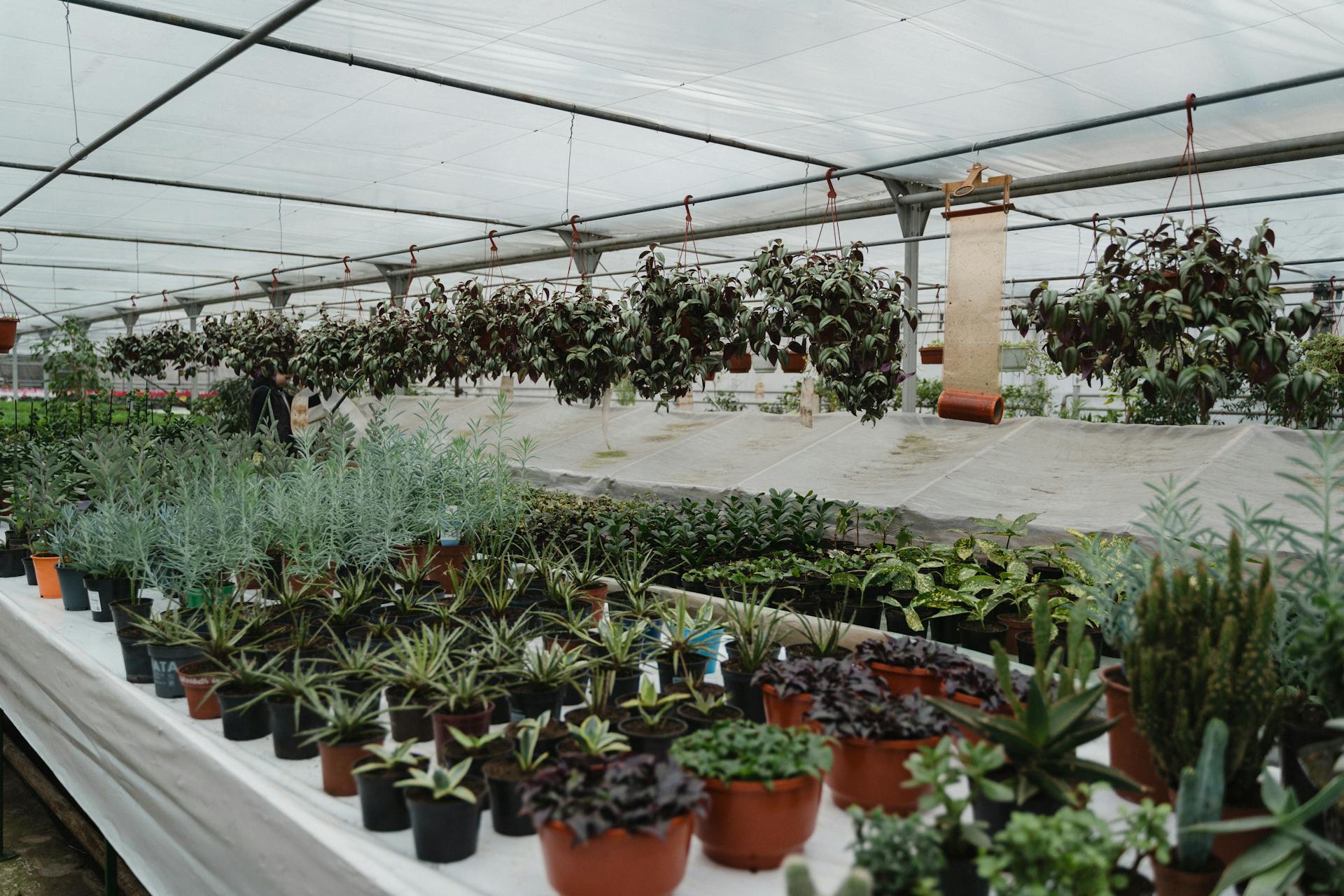
Vertical gardening is all about growing plants upward using structures like walls, shelves, trellises, or hanging systems instead of spreading them across the ground.
Benefits Over Traditional Gardening
- Saves space
- Easier on your back (no bending!)
- Improves air circulation
- Adds a decorative element to any blank wall
Where Vertical Gardens Work Best
- Small balconies or patios
- Window walls and indoor spaces
- Office and kitchen corners
Vertical Gardening
Step 1: Evaluate Your Space
Indoor vs. Outdoor Setup
Decide where your garden will live. Outdoor balconies offer more sunlight, while indoor setups are great for herbs or ferns near a sunny window.
Light and Weather Considerations
Track sunlight patterns. Most edibles need 4–6 hours of sun. Also, consider wind and rain if outside.
Measure Available Wall and Floor Area
Even a 2×4 ft wall section can support a full vertical garden. Measure height, width, and clearance for shelves or hangers.
Step 2: Set Clear Goals
Decorative, Edible, or Both?
Do you want:
- Basil, tomatoes, and spinach?
- Ferns, pothos, and petunias?
- Or a bit of both?
Define your plant purpose.
Seasonal vs. Year-Round Plants
If you want green all year, pick evergreens or hardy indoor plants. Seasonal herbs and flowers need replacement.
Maintenance Levels You’re Comfortable With
Low-maintenance = succulents or snake plants
High-maintenance = tomatoes or strawberries
Step 3: Choose Your Vertical Structure
Wall Planters and Pocket Panels
These fabric or wooden panels hang like art. Just add plants and soil to the pockets. Ideal for herbs or leafy greens.
Shelves, Trellises, and Racks
Great for potted plants. Trellises allow climbers like beans or morning glory to go wild vertically.
DIY Options with Recycled Materials
Try:
- Hanging bottles
- Pallets
- Shoe organizers
- Ladder stands
Step 4: Select the Right Plants
Herbs and Edibles
- Easy: Mint, coriander, basil, spinach
- Intermediate: Tomatoes, lettuce, radish
Flowers and Climbers
- Climbers: Money plant, sweet peas
- Blooms: Marigolds, nasturtiums
Shade vs. Sun-Loving Varieties
- Full Sun: Tomatoes, basil
- Partial Shade: Mint, lettuce, snake plant
Step 5: Prepare the Growing Medium
Lightweight Potting Mix
Use a soil mix that drains fast—avoid garden soil as it’s too dense.
Adding Compost and Drainage Enhancers
Mix in cocopeat, compost, and perlite to improve aeration and nutrients.
Smart Soil for Vertical Systems
Add slow-release fertilizer or try hydroponic-friendly mediums for advanced setups.
Step 6: Setup and Planting
Assembling the Structure
Attach your vertical frame securely using wall brackets, railing hooks, or a freestanding stand.
Arranging Plants Based on Light and Growth
Place sun-loving plants at the top and shade-lovers below. Hanging plants go near edges to cascade naturally.
Installing Hooks, Brackets, or Hanging Systems
Use S-hooks, macramé hangers, or cup holders to hang pots creatively and safely.
Vertical Garden Plants
Step 7: Watering and Feeding
Manual Watering vs. Drip Irrigation
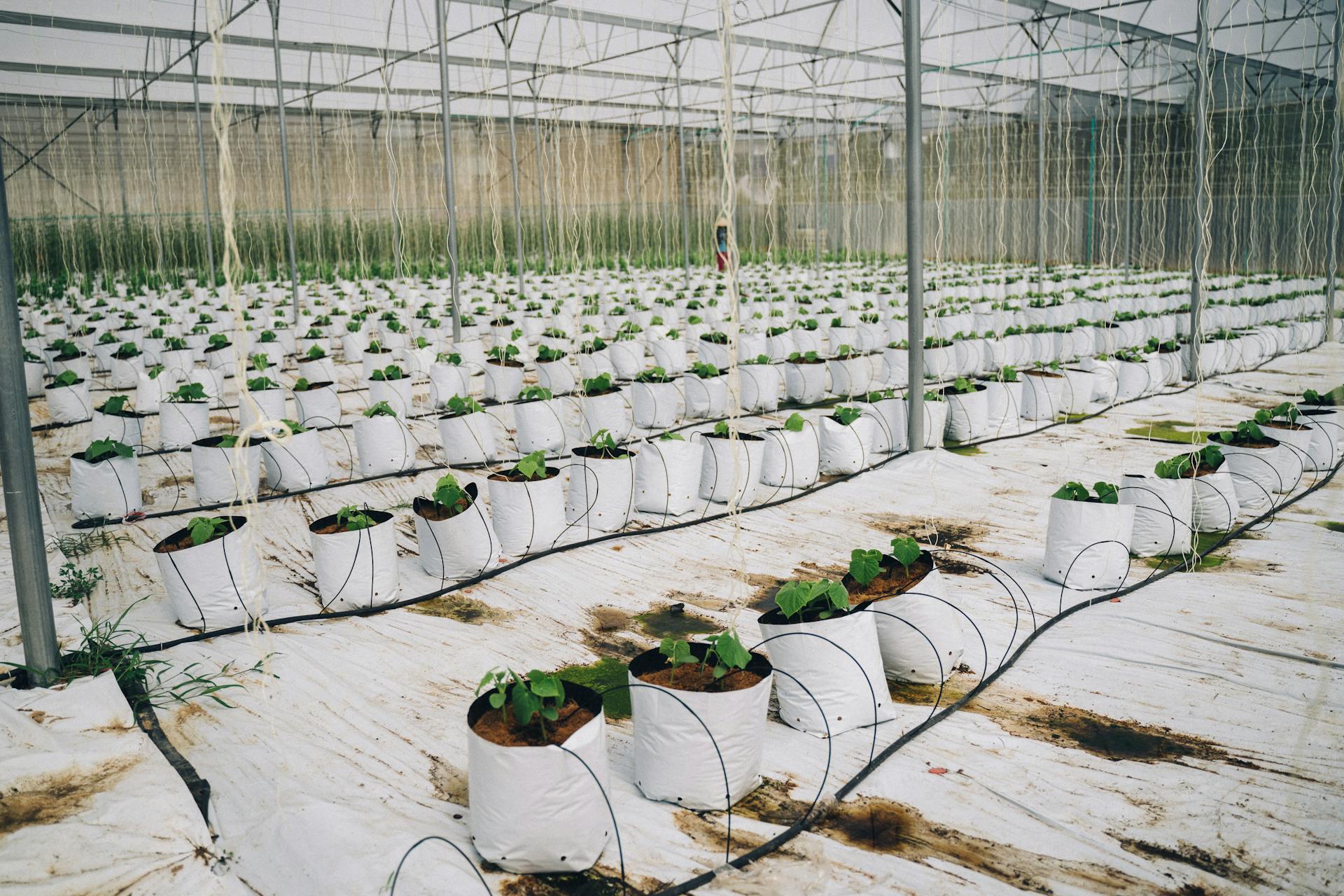
Drip systems save time and water. Small gardens can be watered manually with a long-spout watering can.
Fertilizing Schedule for Vertical Plants
Feed every 2–4 weeks with organic liquid fertilizer. Edibles love compost tea.
Preventing Overwatering
Use planters with drainage holes. On the bottom, add a layer of pebbles or broken terra cotta.
Step 8: Regular Care and Maintenance
Pruning, Harvesting, and Replanting
Snip off dead leaves weekly. Harvest herbs regularly to promote new growth.
Pest and Disease Control
Spray neem oil or garlic water to keep insects away. Companion planting (e.g., basil + tomatoes) works wonders too.
Seasonal Transitions
Replace summer plants in winter. Add mulch or shift sensitive pots indoors.
Step 9: Design and Decor Tips
Use of Color and Texture
Mix green, red, and purple plants for visual drama. Combine broad leaves with trailing vines for contrast.
Integrating Lighting and Accessories
Hang solar fairy lights, wind chimes, or lanterns to create a cozy vibe.
Creating Focal Points
Highlight a stunning plant (like a hanging fern) at eye level to draw attention.
Step 10: Expand and Experiment
Adding Hydroponics or Aquaponics
Advanced gardeners can try soil-less systems using nutrient water for faster growth.
Mixing Indoor and Outdoor Setups
Blend your living room and balcony with consistent design and plant choices.
Joining a Community of Gardeners
Follow Instagram gardeners, join Facebook balcony garden groups, or start a local seed exchange!
Common Beginner Mistakes to Avoid
Overcrowding
Too many plants = poor airflow and growth. Keep spacing in mind.
Poor Drainage
Waterlogged roots kill plants. Always have drainage holes.
Choosing the Wrong Plants
Not every plant likes containers. Plant crops that are shallow rooted and suitable for limited soil.
Conclusion
Vertical Garden isn’t just a cool Pinterest trend—it’s a practical, joyful way to bring life into small spaces. With the right setup and plant choices, you can create a green oasis that fits right into your home—no matter how tiny your balcony or wall is. It’s time to grow up, not out. Happy gardening!
FAQs
Q1. Is vertical gardening good for beginners?
A. Absolutely! It’s easier to manage, needs less space, and makes gardening fun and accessible.
Q2. When is the ideal time to begin growing plants vertically?
A. Use recycled containers like plastic bottles, shoe racks, or pallets. A system can be built for under USD 500!
Q3. Can I growing vegetables in a vertical garden?
A. Yes, herbs, lettuce, tomatoes, and other vegetables thrive in vertical plantings.
Q4. How do I keep the structure stable?
A. Secure it with wall brackets or weights. For high balconies, use wind-resistant designs.
Q5. What’s the best time to start a vertical garden?
A. Spring and early monsoon are great. But with indoor lights, you can start any time!