

Introduction
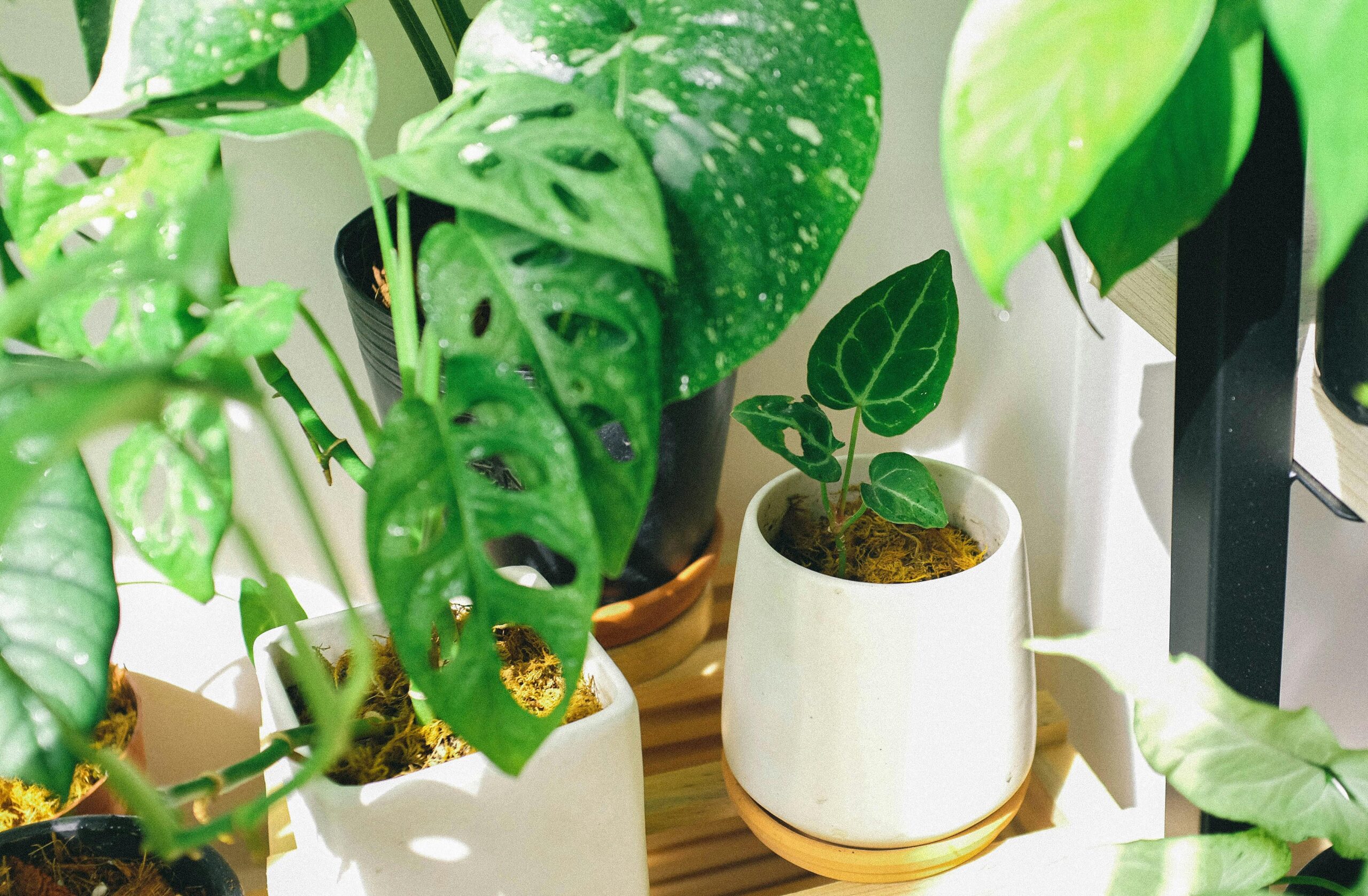
Indoor plants aren’t just stylish décor—they’re living companions that bring beauty, wellness, and balance into your home. They naturally freshen the air, uplift your mood, and create a calming atmosphere that makes any space feel more inviting. Even if you’re new to plant care, many varieties thrive with little effort while still making a big impact. Backed by science, these green additions offer far more than visual appeal, contributing to healthier and happier living. With countless options to choose from, adding a touch of nature to your space has never been easier. Let’s dive into the many reasons why they deserve a place in every home.
Why Indoor Plants Are More Than Just Decoration
Beyond the Aesthetic Appeal
Sure, they make your space look like a Pinterest board come to life—but the magic of best indoor plants runs deeper than looks. Think of them as nature’s silent workers, improving your health and vibe without making a fuss.
The Ancient Connection Between Humans and Plants
Since ancient times, humans have had an innate connection with nature. This bond, called “biophilia,” explains why we feel calmer and happier in green environments. Bringing that green indoors? Instant soul food.
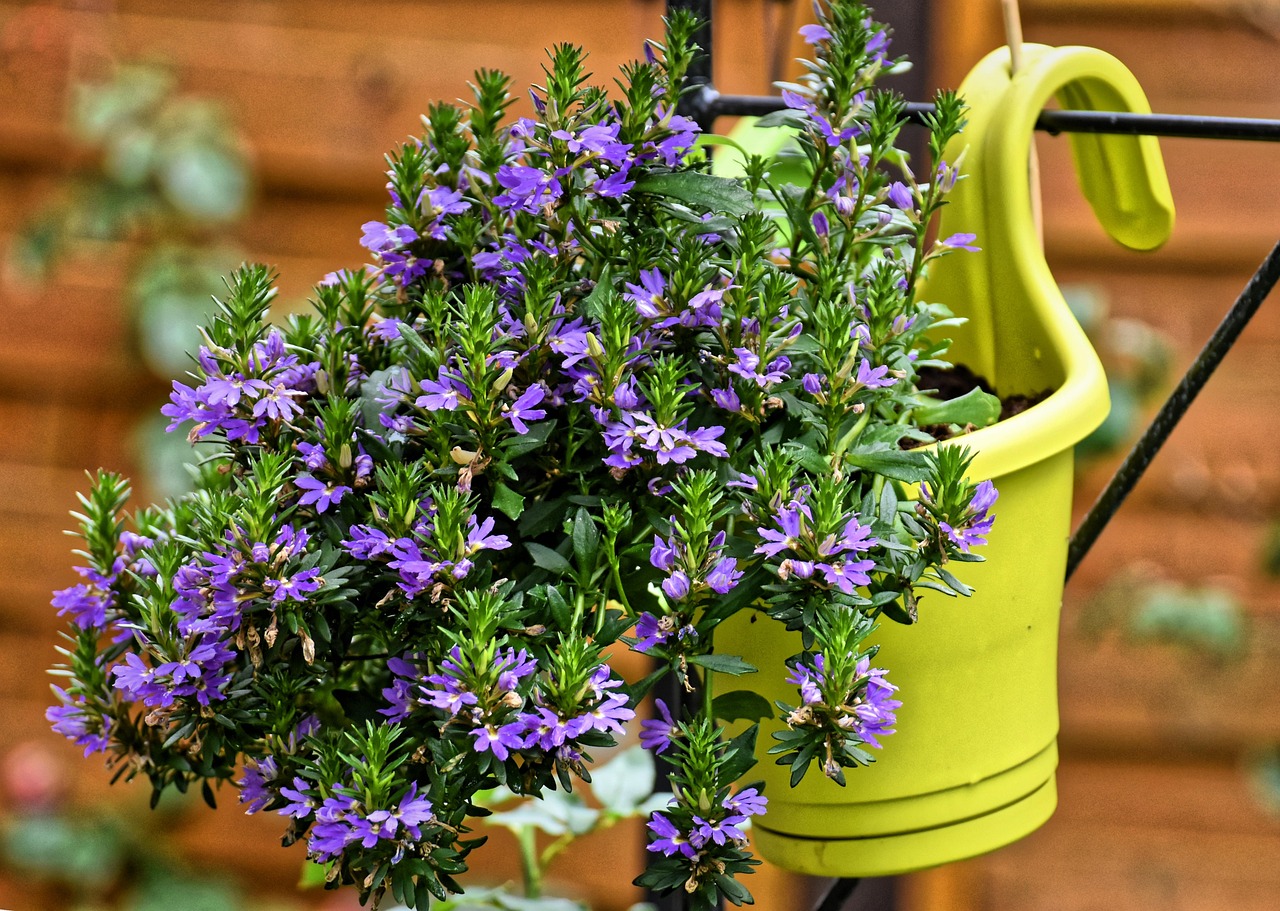
Indoor Flower Plant
Indoor Plants as Natural Air Purifiers
How Plants Improve Indoor Air Quality
Indoor Plants don’t just look good—they breathe with you. They absorb carbon dioxide and release oxygen. But it gets better: they also filter out common toxins like formaldehyde, benzene, and ammonia, quietly cleaning the air you breathe.
NASA’s Clean Air Study Findings
Yep, even NASA backed this up. Their Clean Air Study revealed that some indoor plants can remove up to 87% of air toxins in just 24 hours. Now that’s efficiency!
Best Air-Purifying Indoor Plants
- Snake Plant: A low-maintenance oxygen powerhouse.
- Peace Lily: It looks beautiful and filters the air like a champion.
- Spider Plant: Great for beginners, and kids love its quirky shape.
- Aloe Vera: Heals your skin and your air!
Boosting Your Mental Health with Greenery
Stress Reduction and Relaxation
Feeling overwhelmed? Studies show that even looking at plants reduces cortisol levels—the stress hormone. It’s like having a tiny therapist in a pot.
Indoor Plants and Anxiety Relief
Many people find plant care meditative. Tending to them offers a sense of purpose and calm, easing symptoms of anxiety.
Uplifting Mood and Combating Depression
The presence of greenery has been shown to increase serotonin and dopamine production, your brain’s happy chemicals. So yes, that potted fern might actually be cheering you on.
Enhancing Productivity and Focus
Plants in Office Spaces
Want to level up your work-from-home setup? Add a plant.
Boosting Concentration and Memory
Greenery stimulates the mind, increasing focus and improving memory retention by up to 20%, according to research. Who knew a focus could be your study buddy?
Indoor Plants and Better Sleep
Oxygen Production and Sleep Quality
Some plants, like the Snake Plant, release oxygen even at night, improving air quality and helping you snooze better.
Aromatic Plants for Relaxation
Lavender and jasmine don’t just smell divine—they’ve been linked to better sleep and lower anxiety. Perfect bedroom companions.
Natural Humidifiers
How Plants Increase Indoor Humidity
Through a process called transpiration, plants release moisture into the air, naturally increasing humidity. That means fewer dry skin days and scratchy throats.
Ideal Plants for Dry Climates
- Areca Palm
- Boston Fern
- Rubber Plant
Indoor Plants and Noise Reduction
The Science of Plant Acoustics
Plants absorb, diffract, or reflect background noise, especially in rooms with hard surfaces. They’re your secret sound proofers!
Best Plants for Sound Absorption
- Fiddle Leaf Fig
- Monstera
- Rubber Tree
Supporting Healing and Recovery
Plants in Hospitals and Recovery Centers
Hospitals that incorporate indoor greenery report faster recovery times and lower pain levels in patients. That’s serious plant power.
Speeding Up Physical Healing
Just being around plants has been shown to lower blood pressure and reduce fatigue, speeding up physical healing.
Educational and Therapeutic Uses
Teaching Responsibility and Care
Kids and adults alike can learn responsibility through plant care. It’s a nurturing relationship with real-life consequences—miss a watering, and you’ll see!
Horticultural Therapy Benefits
Horticultural therapy uses plant care to aid in mental health treatment, addiction recovery, and even dementia care. It’s practical, peaceful, and profoundly healing.
Enhancing Home Aesthetics and Feng Shui
Harmonizing Energy with Plants
According to Feng Shui principles, indoor plants balance energy (or “chi”), remove negativity, and invite prosperity.
Popular Plants for Positive Vibes
- Lucky Bamboo
- Money Plant
- Jade Plant
Indoor Gardening as a Hobby
A Healthy Escape from Digital Overload
Tired of screen time? Gardening offers a real-world hobby that’s meditative and screen-free. It’s mindfulness in action.
Building a Personal Green Sanctuary
Over time, you’ll develop a green space that’s uniquely yours—a retreat, a creative outlet, and a refuge all in one.
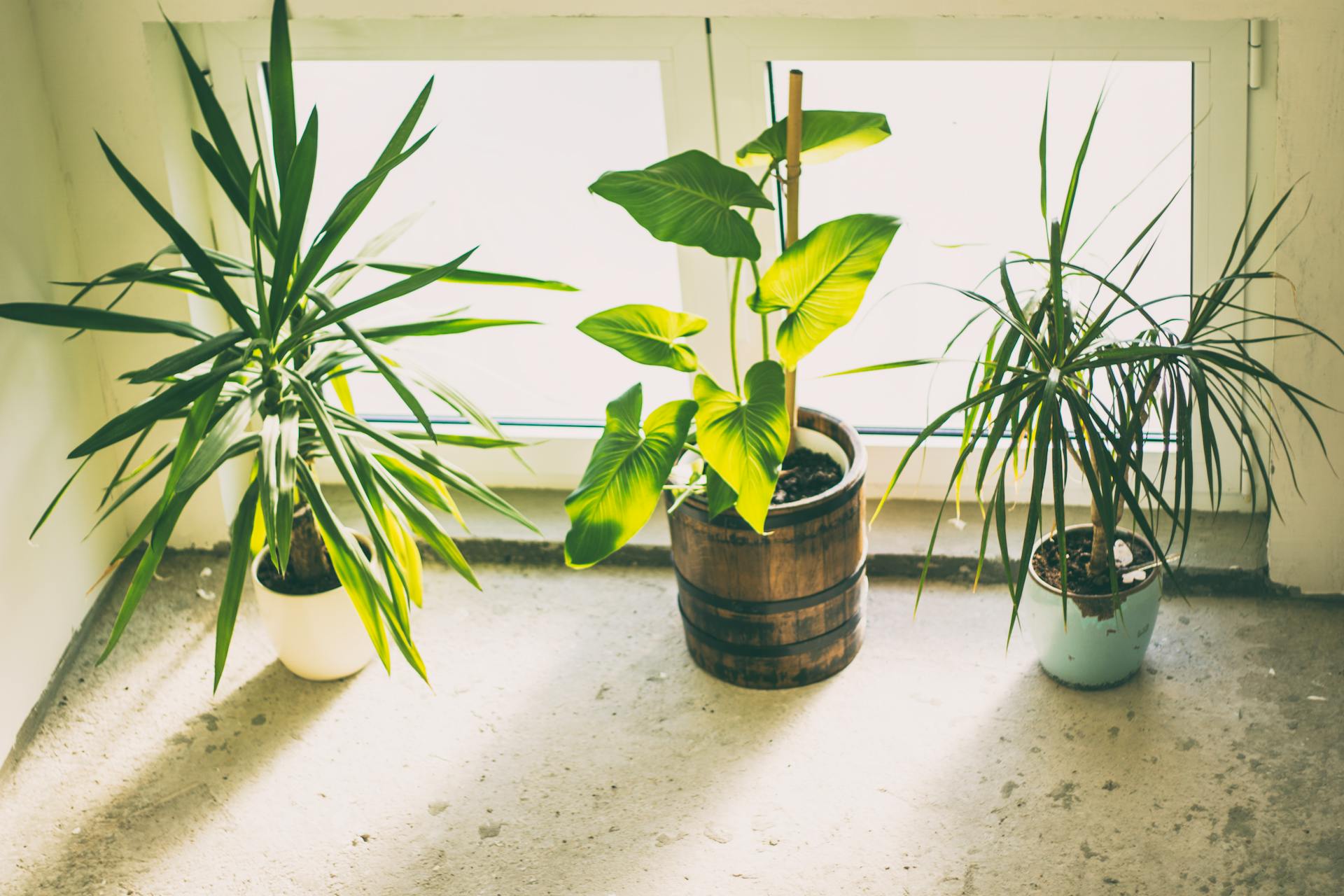
Indoor Potted Plants
Cost-Effective Interior Design
Plants as Budget-Friendly Decor
Forget expensive art or statement furniture—plants are living decor that refreshes your space daily.
Longevity and Minimal Maintenance
Most indoor plants last years and need little care. A one-time investment with long-term rewards.
The Eco-Friendly Choice
Reducing Carbon Footprint
Indoor gardening reduces the need for artificial air purifiers and humidifiers, helping lower your environmental impact.
Sustainable Indoor Plant Practices
Use biodegradable pots, homemade compost, and organic fertilizers to level up your eco-game.
Common Myths About Indoor Plants
Do Indoor Plants Attract Bugs?
Not if cared for properly. Overwatering and poor hygiene invite pests—not the plants themselves.
Are They Really Hard to Maintain?
Many indoor plants are forgiving. Start with snake plants, pothos, or ZZ plants if you’re a newbie.
Conclusion
So there you have it—indoor plants are way more than decorative pieces. It’s an air purifier, mood enhancer, productivity booster, and mini-therapist, all in one. Whether you’re building a jungle in your living room or placing a peace lily on your desk, each plant brings secret benefits into your life. Give your space some leafy love, and you’ll be amazed at the transformation.
FAQs
Q1. What are the easiest indoor plants to care for?
A: Snake Plant, Pothos, ZZ Plant, and Spider Plant are great for beginners.
Q2. Can indoor plants survive without sunlight?
A: Snake Plant and Peace Lily are two examples of low-light plants that can thrive with little or no light.
Q3. Do indoor plants really improve mental health?
A: Yes! Studies have shown reduced stress, anxiety, and improved mood and focus from indoor plants.
Q4. How frequently should my indoor plants be watered?
A: Depending on the plant, most require weekly watering. Always start with the soil!
Q5. Are indoor plants safe for pets?
A: Not all are. Avoid toxic varieties like Dieffenbachia and Peace Lily if you have pets. Always check plant safety before buying.
2 comments
Can you be more specific about the content of your article? After reading it, I still have some doubts. Hope you can help me. https://accounts.binance.info/sl/register?ref=I3OM7SCZ
Can you be more specific about the content of your article? After reading it, I still have some doubts. Hope you can help me. https://accounts.binance.com/sk/register-person?ref=WKAGBF7Y