


Introduction
Indoor plant tips: Indoor plant are more than just décor—they’re living accents that can completely transform your space. Whether you’re decorating a small apartment or a spacious home, the right indoor plant tips can help you style greenery like a pro. From choosing the perfect plant for your lighting to arranging them for maximum visual impact, smart indoor plant tips make all the difference. Designers know that plants bring balance, texture, and life to any room, and with the right indoor plant tips, you can achieve the same effect. Whether your style is minimalistic or full-on boho vibes, these indoor plant tips will guide you in creating a natural focal point. Not sure where to start? Don’t worry—we’ll share practical indoor plant tips that work for beginners and experts alike. By the end, you’ll see how simple indoor plant tips can elevate your interior design effortlessly.
The Rise of Indoor Plants in Interior Design
Why Designers Love Greenery
Plants bring an organic touch to interiors that nothing else can. They break up the monotony of manufactured materials, add color to neutral palettes, and soften hard lines.
From Functional to Fabulous: The Plant Evolution
What used to be purely functional—plants for air purification or medicinal use—has now evolved into a design philosophy. Plants aren’t just living things anymore—they’re living art.
Choosing the Right Plant for the Right Space
Lighting Considerations
Always match plants to the room’s lighting. Low-light areas? Try ZZ plants or snake plants. Bright, sunny corners? Go with succulents or fiddle leaf figs.
Matching Plants to Room Purpose
In bedrooms, opt for calming, oxygen-producing plants like lavender or peace lilies. For kitchens, herbs and trailing plants add a fresh, lively vibe.
Size and Proportion Matter
Large plants like rubber trees or palms work great in open spaces. Small spaces? Choose compact plants like pothos or cacti to avoid a cluttered feel.
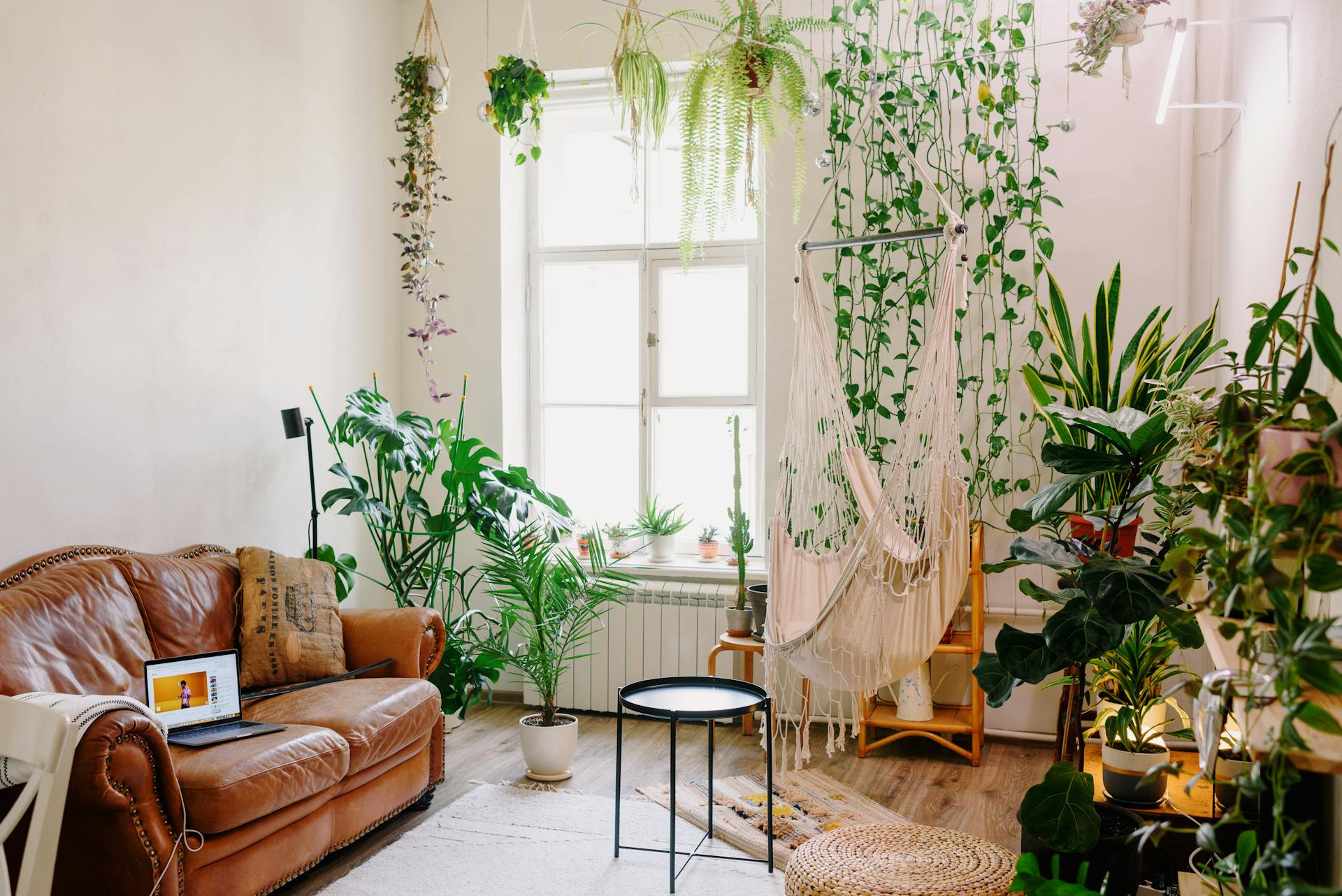
Interior Plants
Layering with Plants: A Designer’s Secret Weapon
Creating Depth with Various Heights
Designers love playing with height. Use tall floor plants, mid-height tabletop plants, and tiny shelf succulents to create visual interest.
Using Plant Stands and Hanging Planters
Elevate small plants on stylish stands or suspend trailing ones like string of pearls in hanging pots to draw the eye upward and maximize space.
Mixing Leaf Shapes and Textures
Contrast is key. Mix broad, glossy leaves with fine, feathery ones. It’s like mixing textiles in fashion—variety adds richness.
Plant Placement Strategies that Elevate Spaces
Highlighting Focal Points
Place a dramatic plant (think: Monstera) near your statement furniture to create synergy in your decor.
Filling Awkward Corners with Flair
Awkward empty corners? Plant a tall snake plant or fiddle leaf fig in a large pot—it’s a quick solution that looks intentional.
Using Plants as Room Dividers
Larger plants or a row of greenery can subtly divide open-plan spaces, creating cozy “zones” without walls.
Using Planters as Design Elements
Choosing the Right Pot Materials and Colors
Terracotta for rustic, brass for glam, ceramic for classic. Match pots to the room’s mood and style.
Coordinating with Room Theme
Got a mid-century modern vibe? Try clean-lined matte planters. Going boho? Wicker baskets and tribal patterns work wonders.
Statement Planters vs. Subtle Accents
A bold, sculptural planter can be a conversation starter. Or, let the plant do the talking with a minimal pot that fades into the background.
Styling Plants in Minimalist Interiors
Letting Plants Shine in Simplicity
In a simple setting, a single plant can say a lot. Think of a fiddle leaf fig in a plain white pot against a blank wall.
Strategic Negative Space Use
Don’t overcrowd. Give your plant space to breathe and stand out. The negative space around it is part of the style.

Indoor Plant
Jungle Vibes: Going Maximal with Plants
The Rules of Controlled Chaos
Group different species and sizes in clusters, but keep one common thread—maybe same pot color or matching saucers—to tie it all together.
Designing Indoor Plant Clusters
Layer 3–5 plants of varying heights in corners, on shelves, or next to reading nooks for a lush, jungle-like ambiance.
Combining Plants with Other Natural Elements
Pairing with Wood, Stone, and Natural Light
Designers often group plants with other organic materials—think driftwood tables, stone accessories, or bamboo blinds—for a soothing, earthy aesthetic.
Biophilic Design and Its Benefits
Biophilic design isn’t just a buzzword. This means integrating nature into your space, thereby promoting well-being, concentration and happiness.
Seasonal Plant Styling
Adapting Plants and Decor by Season
Switch out planters or trays seasonally—think terracotta in summer, matte black in winter—for a fresh vibe.
Swapping Pots and Trays for Seasonal Tones
Add a gold tray for a festive touch, or cool-toned ceramics for a breezy summer feel.
Vertical Gardens and Wall Displays
Designing Living Walls
Living walls are vertical masterpieces. Use modular systems or repurposed wooden palettes to create stunning plant installations.
Wall-Mounted Planters and Trellises
Smaller spaces? Mount trailing plants on wall planters or use wall trellises for climbing vines. Functional art, anyone?
Incorporating Plants into Workspaces
Desk-Friendly Greenery
Succulents, air plants, and small bonsais are perfect companions for desks—low-maintenance and easy on the eyes.
Plants that Boost Productivity and Calm
Research says plants like rosemary and lavender improve concentration. Keep one near your laptop!
Bathroom Plant Styling Tips
Humidity-Loving Plants
Bathrooms are great for tropical plants like ferns, peace lilies, and orchids that love moisture.
Turning Bathrooms into Spa Sanctuaries
Pair your plant with candles, soft lighting, and bamboo accessories. Boom—instant spa vibes.
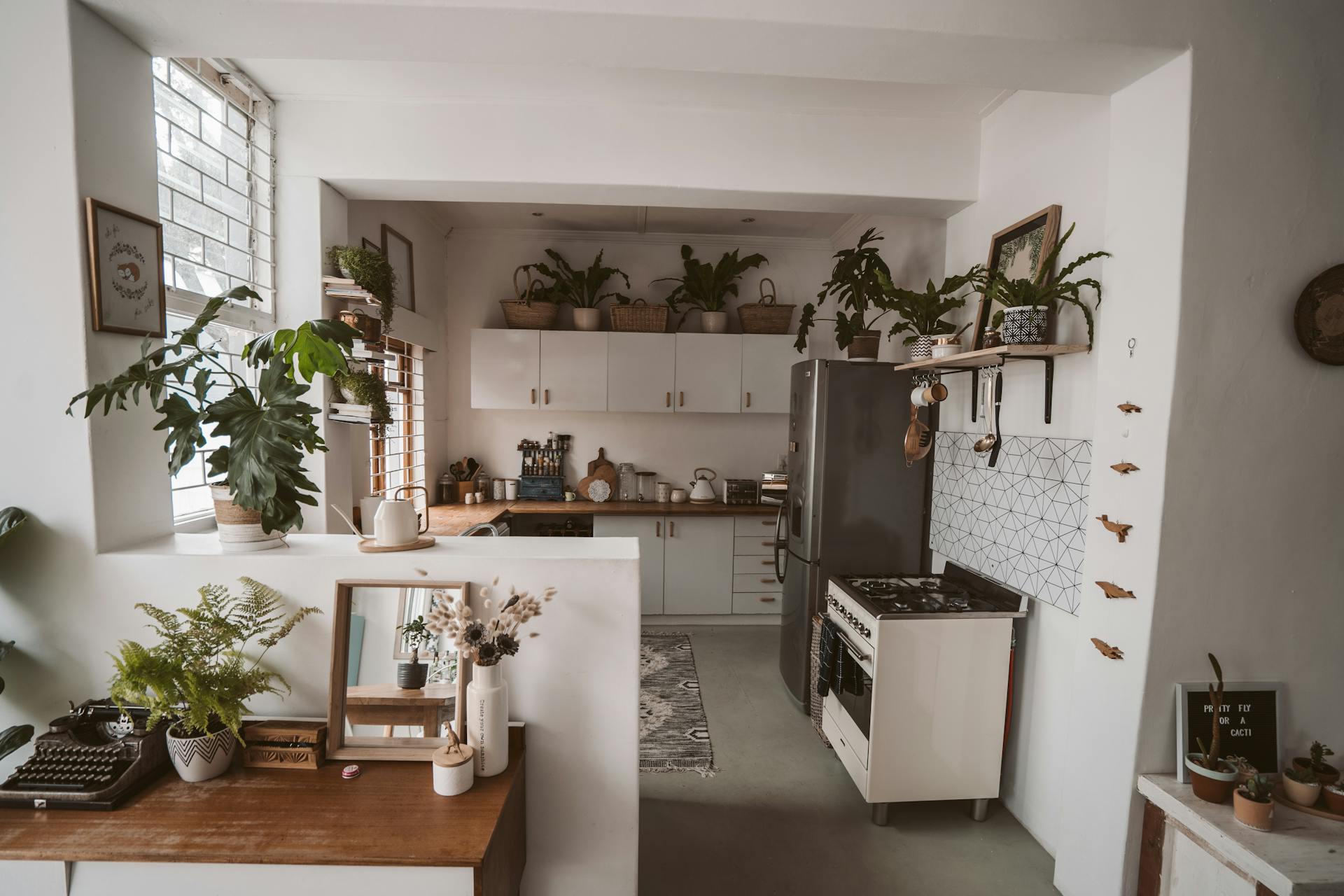
Interior House Plants
Kid-Friendly and Pet-Safe Styling Ideas
Non-Toxic Plants and Creative Placement
Opt for pet-safe varieties like spider plant or prayer plant. Keep small pots on wall shelves or macramé hangers for safety and style.
Educational and Fun Plant Displays
Let kids name their plants, decorate pots, or track watering schedules for an interactive green lesson.
Low-Maintenance Looks for Busy Lifestyles
Faux Plants Done Right
Good fake plants can look realistic and still elevate your space. Just dust them occasionally and mix with real ones for a balanced look.
Hardy Indoor Plant Picks
Choose snake plant, pothos, or ZZ plant if your thumb isn’t green yet. They thrive on minimal attention.
Common Plant Styling Mistakes (and How to Avoid Them)
Overcrowding, Clashing Pots, and Poor Placement
Don’t jam too many plants in one place. Avoid using a rainbow of random pots unless that’s your theme. And never put a sun-loving plant in a dark corner.
Conclusion
Plants have the power to completely transform your space—not just visually, but emotionally too. With a bit of creativity and insight from interior designers, your home can go from plain to Pinterest-worthy in no time. So go ahead, embrace your inner stylist and start greening up your home—one pot at a time.
FAQs
Q1. How do I choose the right indoor plant for my space?
A. Consider light, humidity, and the size of your space. Match plants that thrive in those conditions for best results.
Q2. Can I style my home with fake plants?
A. Yes! Use high-quality faux plants and mix them with real ones. Just avoid obviously plastic-looking ones.
Q3. What are the best indoor plants for small apartments?
A. Snake plant, pothos, spider plant, and peace lily are perfect for tight spaces.
Q4. How do designers use plants in modern homes?
A. They layer heights, mix textures, use stylish pots, and place plants as focal points or soft dividers in open layouts.
Q5. Are there any indoor plants that work well with pets?
A. Yes! Spider plants, Calathea, and parlor palms are generally safe. Always double-check for toxicity before buying.
5 comments
I don’t think the title of your article matches the content lol. Just kidding, mainly because I had some doubts after reading the article.
Thank you for your sharing. I am worried that I lack creative ideas. It is your article that makes me full of hope. Thank you. But, I have a question, can you help me?
Thank you for your sharing. I am worried that I lack creative ideas. It is your article that makes me full of hope. Thank you. But, I have a question, can you help me?
I don’t think the title of your article matches the content lol. Just kidding, mainly because I had some doubts after reading the article.
Your point of view caught my eye and was very interesting. Thanks. I have a question for you. https://www.binance.com/bg/register?ref=V2H9AFPY