

Introduction
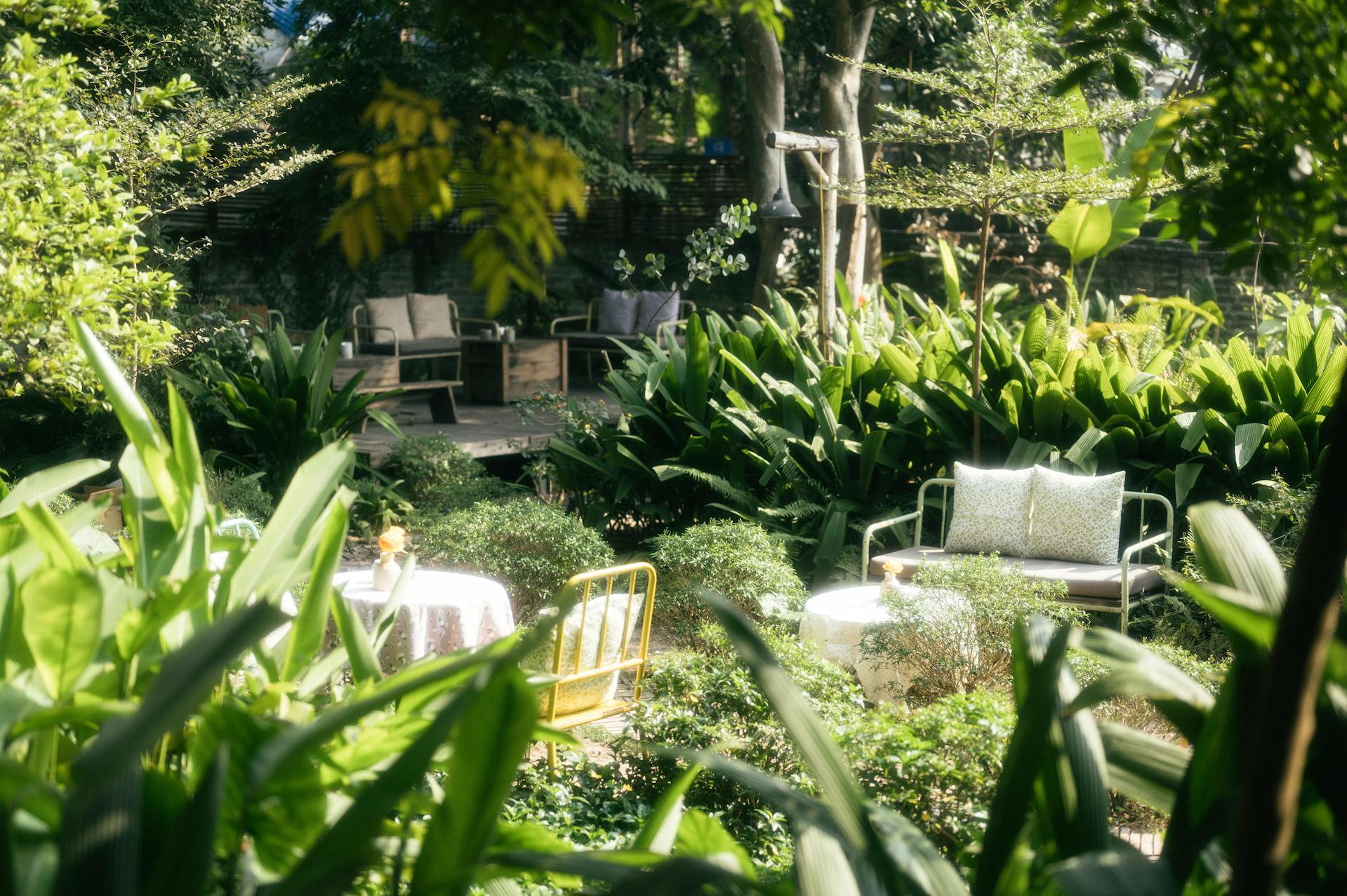
Creating a sustainable garden is one of the smartest and most rewarding ways to grow your own food, reduce household waste, and support a healthier environment. As more people look for eco-friendly lifestyles, sustainable gardening for beginners has become a popular and practical solution for both small and large spaces. Whether you’re interested in a backyard sustainable garden, a balcony garden setup, or even a compact patio design, starting a garden that works in harmony with nature is easier than you might think.
In this beginner-friendly guide, you’ll learn how to start a sustainable garden at home, including simple steps for eco-friendly gardening, improving soil health, conserving water, and choosing the right plants. If you’ve been searching for sustainable garden ideas, organic gardening tips, or ways to create a low-maintenance eco garden, this guide will walk you through everything step by step and help you build a thriving green space naturally.
What is a Sustainable Garden?
A sustainable garden focuses on:
• Conserving water
• Improving soil health
• Reducing chemical use
• Supporting biodiversity
👉 The goal is to create a self-sustaining ecosystem that benefits both you and nature.
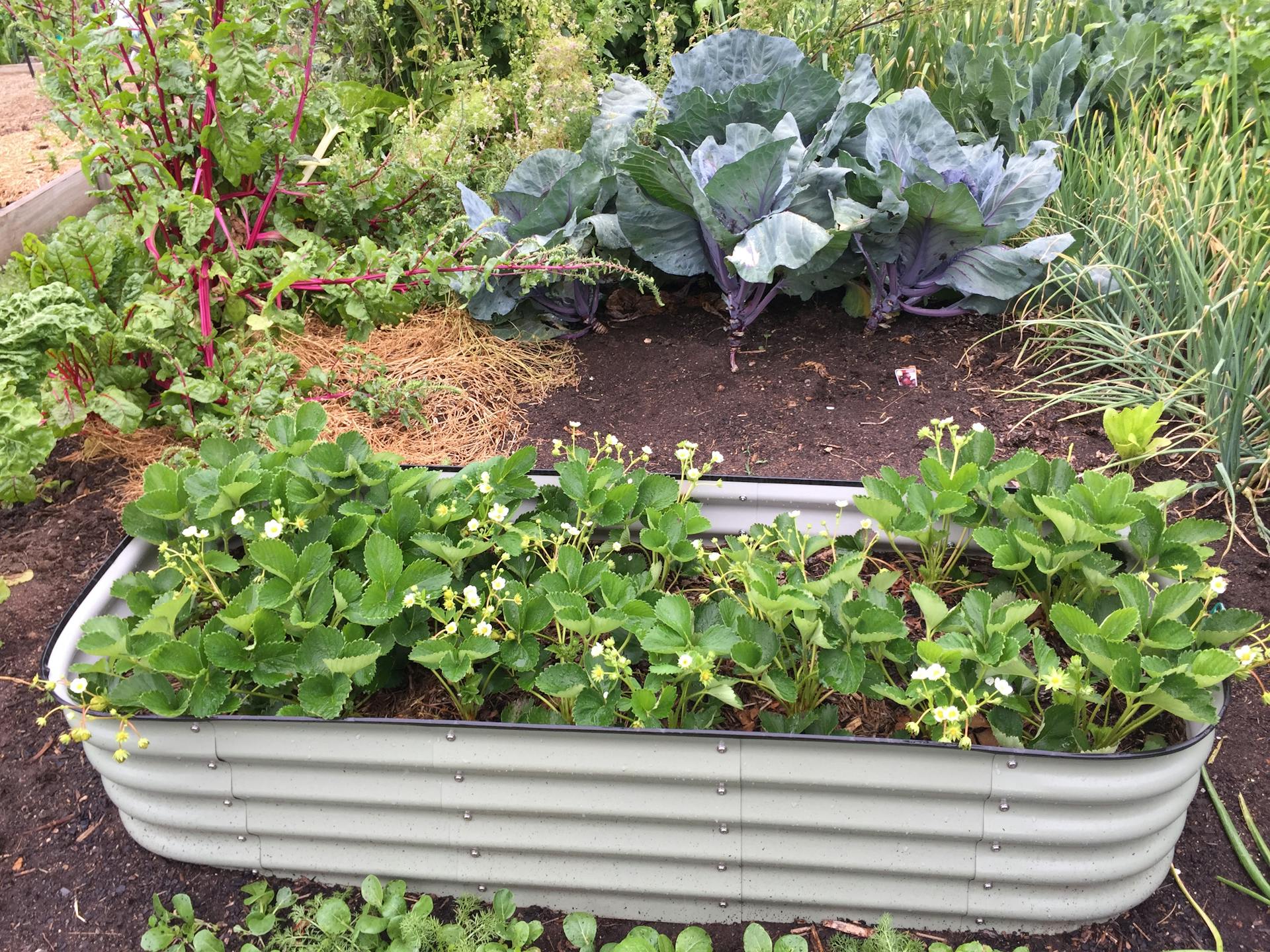
Sustainable Garden
Step 1: Choose the Right Location
Your garden’s success depends on sunlight and accessibility.
✔ Ideal conditions:
• 6–8 hours of sunlight daily
• Good drainage
• Easy access to water
🌞 Pro Tip:
South-facing areas work best for most vegetables and plants.
Step 2: Start Small and Plan Smart
Don’t try to grow everything at once.
✔ Beginner approach:
• Start with 3–5 plants
• Use containers or small beds
• Plan seasonal crops
👉 This reduces waste and increases success.
Step 3: Use Native and Climate-Friendly Plants
Native plants require:
• Less water
• Less maintenance
• No chemical support
🌼 Examples (USA):
• Coneflower
• Black-eyed Susan
• Milkweed
👉 These also attract pollinators like bees and butterflies.
Step 4: Build Healthy Organic Soil
Healthy soil is the foundation of a sustainable garden.
✔ Improve soil naturally:
• Add compost
• Use mulch
• Avoid chemical fertilizers
🧑🌾 Soil mix idea:
• Garden soil + compost + coco peat
Step 5: Compost Your Kitchen Waste
Composting reduces waste and feeds your plants.
🥕 Add:
• Fruit & vegetable scraps
• Dry leaves
• Coffee grounds
❌ Avoid:
• Meat, dairy, oily food
👉 Simple method:
Layer green + brown waste and turn weekly.
Step 6: Save Water Efficiently
Water conservation is key to sustainability.
✔ Smart watering tips:
• Water early morning
• Use drip irrigation
• Collect rainwater
👉 Mulching helps retain moisture and reduce watering needs.
Step 7: Use Natural Pest Control
Avoid chemical pesticides.
🐞 Organic solutions:
• Neem oil spray
• Garlic spray
• Companion planting
👉 Example:
Plant basil near tomatoes to repel pests.
Step 8: Encourage Biodiversity
A sustainable garden supports life.
✔ Add:
• Pollinator-friendly plants
• Flowers and herbs
• Bird feeders or water bowls
👉 This creates a balanced ecosystem.
Step 9: Reduce Waste & Reuse Materials
♻️ Ideas:
• Use old containers as pots
• Reuse plastic bottles
• DIY garden tools
👉 Sustainable gardening = low waste living
Step 10: Maintain Your Garden Naturally
📅 Weekly care:
• Remove weeds
• Add compost
• Check plant health
• Prune regularly
👉 Consistency is more important than perfection.
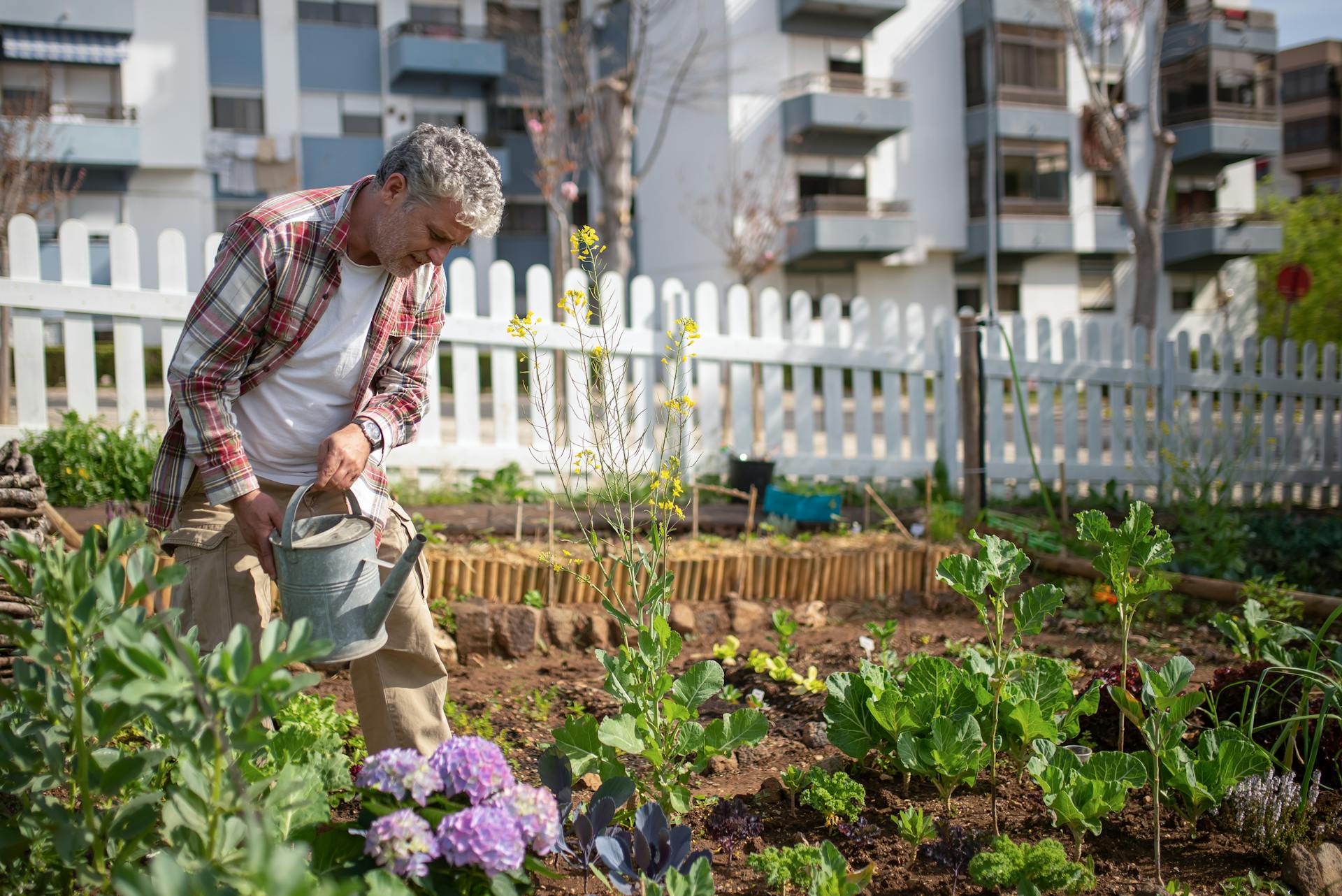
Garden Maintain
Benefits of a Sustainable Garden
• 🌱 Eco-friendly lifestyle
• 🥗 Healthier, chemical-free food
• 💰 Saves money
• 🐝 Supports pollinators
• 🌎 Reduces environmental impact
Common Mistakes to Avoid
• Overwatering plants
• Using chemical fertilizers
• Ignoring soil quality
• Planting too much too soon
• Not planning for seasons
Conclusion
Starting a sustainable garden is more than just a hobby—it’s a long-term investment in your health, your home, and the planet. By focusing on natural methods like composting, water conservation, and choosing native plants, you can create a garden that thrives with minimal effort and impact.
FAQ
Q1. What is the easiest way to start a sustainable garden?
A: Start small with a few plants, use compost, and avoid chemical fertilizers. Focus on native plants and proper watering.
Q2. What are the best plants for a sustainable garden?
A: Native plants, herbs, and easy vegetables like tomatoes, spinach, and beans are great choices.
Q3. How do I make my garden eco-friendly?
A: Use compost, conserve water, avoid chemicals, and plant pollinator-friendly species.
Q4. Can I create a sustainable garden in a small space?
A: Yes! Use containers, vertical gardening, and balcony setups to grow plants sustainably.
Q5. How do I reduce water usage in gardening?
A: Water early morning, use mulch, and install drip irrigation or collect rainwater.