

Introduction
Starting an organic vegetable garden at home is one of the most rewarding and sustainable ways to enjoy fresh, healthy food every day. With growing interest in organic gardening, home gardening, and grow your own vegetables, more people are turning small spaces into productive green areas. Whether you want a backyard vegetable garden, a balcony garden setup, or simple container gardening for beginners, this approach helps you produce chemical-free vegetables, reduce grocery costs, and live a more eco-friendly lifestyle. In this step-by-step guide to starting an organic vegetable garden at home, you’ll learn practical tips, easy methods, and beginner-friendly strategies to successfully grow your own food—even in limited space.
What is Organic Gardening?
Organic gardening means growing plants without synthetic fertilizers, pesticides, or chemicals. Instead, you use natural methods like compost, organic fertilizers, and eco-friendly pest control.
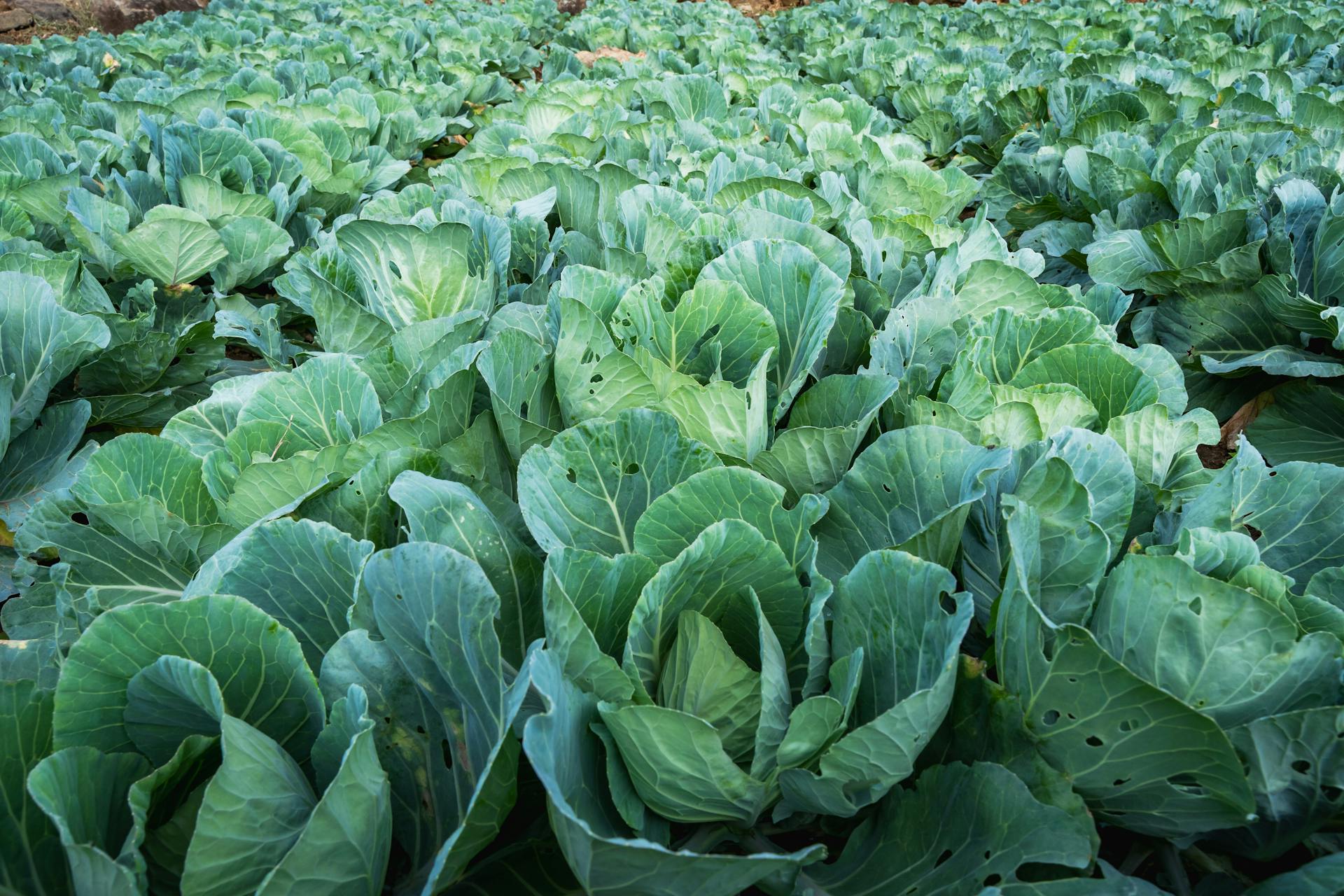
Organic Vegetable Garden
Step 1: Choose the Right Location
Your garden’s success depends heavily on sunlight.
✔️ Requirements:
- At least 6–8 hours of direct sunlight daily
- Good air circulation
- Easy access to water
📍 Tip:
If you live in an apartment, a balcony or window with sunlight works perfectly.
Step 2: Decide Your Garden Type
Choose based on your space:
🌿 Backyard Garden
- Best for growing multiple vegetables
- Allows crop rotation and composting
🌼 Container Gardening
- Ideal for small spaces
- Use pots, buckets, grow bags
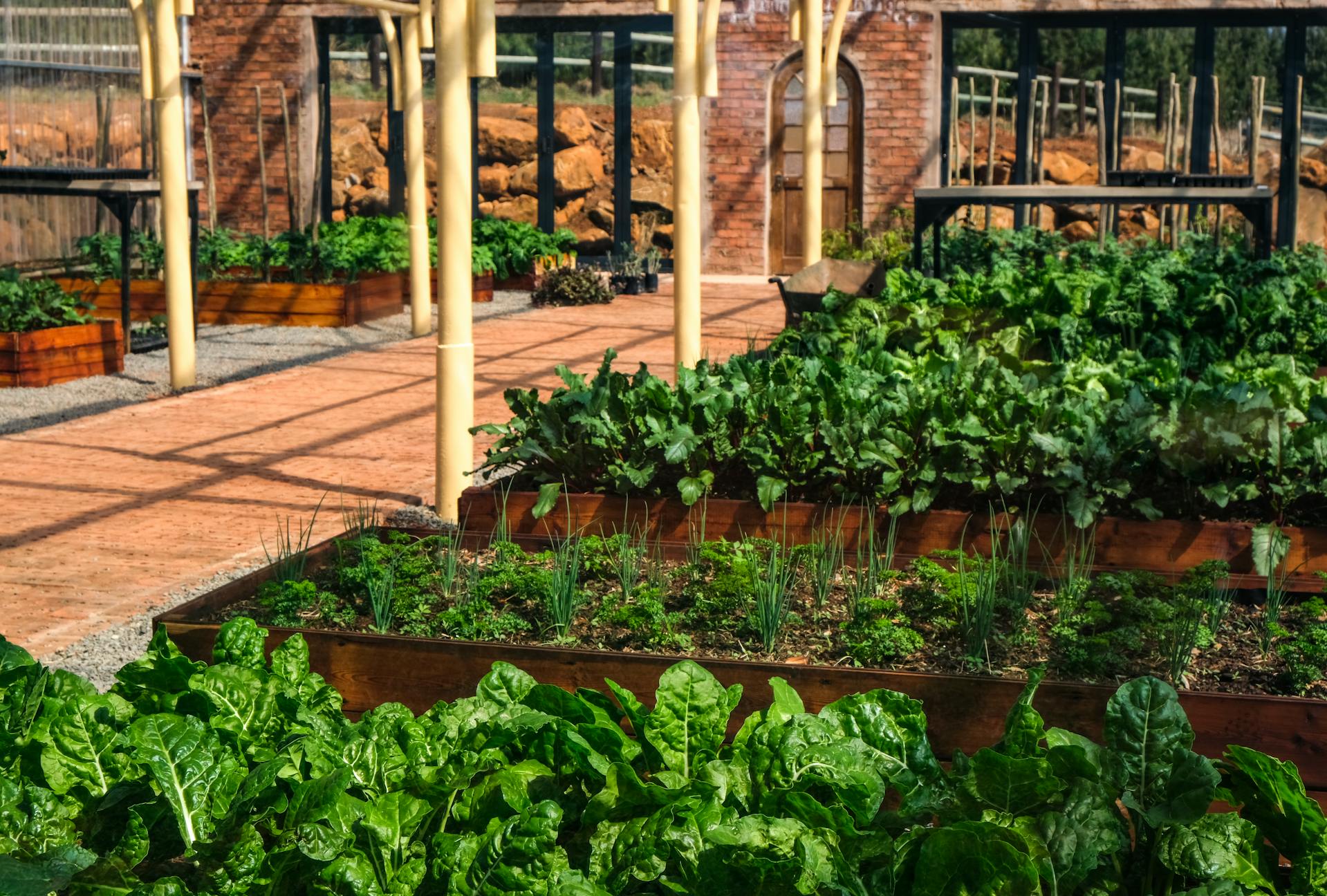
🌱 Raised Beds
- Better soil control
- Fewer weeds and pests
Step 3: Prepare Healthy Organic Soil
Soil is the foundation of your garden.
✔️ Ideal Soil Mix:
- 40% garden soil
- 30% compost (organic)
- 30% coco peat or sand
💡 Why it matters:
Organic soil improves:
- Plant growth
- Water retention
- Nutrient supply
Step 4: Choose Easy Vegetables for Beginners
Start with low-maintenance crops:
🥕 Best Starter Vegetables:
- Tomatoes
- Spinach
- Lettuce
- Radish
- Chili peppers
- Beans
📌 Tip:
Choose seasonal vegetables for better success.
Step 5: Use Organic Seeds
Always use:
- Non-GMO seeds
- Heirloom seeds (best for taste & sustainability)
🚫 Avoid:
Chemically treated seeds
Step 6: Water Properly
✔️ Rules:
- Water early morning or evening
- Keep soil moist, not soggy
- Use drip irrigation or watering can
⚠️ Common mistake:
Overwatering kills roots faster than underwatering.
Step 7: Add Organic Fertilizers
Feed your plants naturally:
🧪 Organic Options:
- Compost
- Vermicompost
- Cow dung manure
- Banana peel fertilizer
- Neem cake
⏱️ Frequency:
Every 2–3 weeks
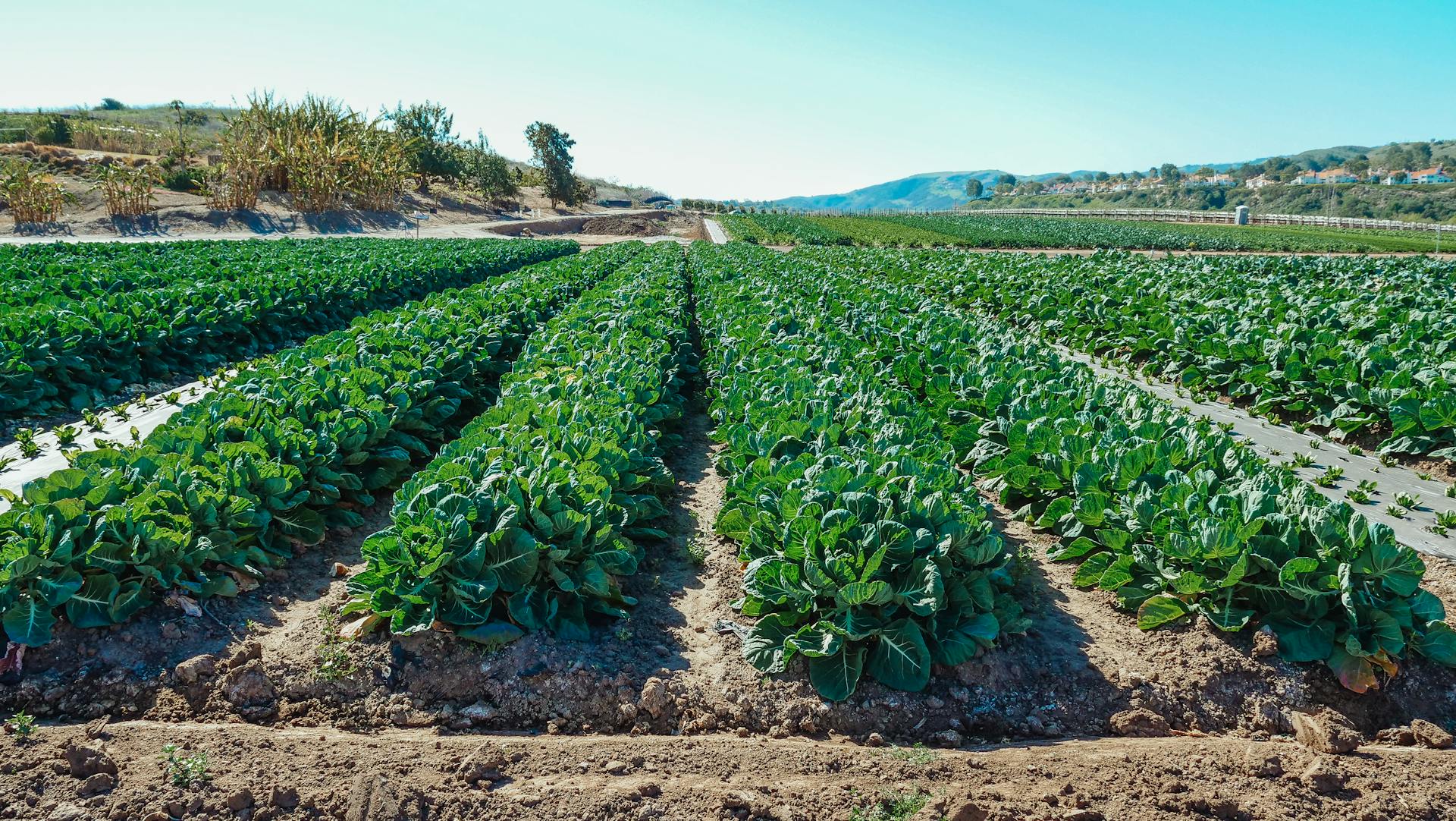
Organic Fertilizer Garden
Step 8: Control Pests Naturally
Avoid chemical pesticides.
🌱 Natural Pest Control:
- Neem oil spray
- Garlic + chili spray
- Soap water spray
🐞 Bonus Tip:
Grow companion plants like marigold to repel pests.
Step 9: Practice Companion Planting
Some plants grow better together.
✔️ Examples:
- Tomato + Basil
- Carrot + Onion
- Cucumber + Beans
💡 Benefit:
- Improves growth
- Reduces pests
- Saves space
Step 10: Harvest at the Right Time
Harvesting regularly:
- Encourages more growth
- Keeps plants healthy
📌 Tip:
Pick vegetables when they are:
- Fresh
- Fully grown (not overripe)
Benefits of Organic Vegetable Gardening
- Chemical-free healthy food
- Saves money on groceries
- Eco-friendly & sustainable
- Reduces stress
- Great for beginners & families
Pro Tips for Faster Success
- Start small (3–5 plants only)
- Use good quality compost
- Track sunlight patterns
- Rotate crops each season
- Be patient—gardening takes time
Conclusion
Starting an organic vegetable garden at home is simple if you follow the right steps. Begin small, use natural methods, and stay consistent. Within a few weeks, you’ll enjoy fresh, healthy vegetables grown by your own hands.
FAQ
Q1. How much space do I need to start an organic garden?
A: You can start with just a few pots on a balcony. Even small spaces work well.
Q2. What is the easiest vegetable to grow for beginners?
A: Spinach, radish, and lettuce are the easiest and fastest-growing options.
Q3. How often should I water my vegetable plants?
A: Typically once a day, but adjust based on weather and soil moisture.
Q4. Can I do organic gardening indoors?
A: Yes! Use containers, good sunlight, and proper drainage for indoor gardening.
Q5. How long does it take to grow vegetables?
- Leafy greens: 20–30 days
- Tomatoes: 60–90 days
- Radish: 25–40 days