

Introduction
How are plants alive are everywhere—on your lawn, in national parks, along busy city streets, and quietly growing on your windowsill. But have you ever paused to ask how are plants alive? They don’t walk, talk, or eat like humans or animals, which often leads to confusion about their living nature. So, how are plants alive if they seem so still and silent? Science gives a clear and fascinating answer. Plants are living organisms that grow, respire, respond to their environment, and even communicate in their own unique ways. In this guide, you’ll discover how are plants alive through simple, science-backed explanations rooted in biology and real-world examples—perfect for students, gardeners, and anyone curious about the hidden life of plants.
What Does It Mean to Be Alive?
Before answering how plants are alive, we need to define what “alive” actually means.
According to biology, all living organisms share a set of core characteristics:
- They are made of cells
- They use energy (metabolism)
- They grow and develop
- They respond to their environment
- They reproduce
- They maintain internal balance (homeostasis)
Plants meet every single one of these criteria.

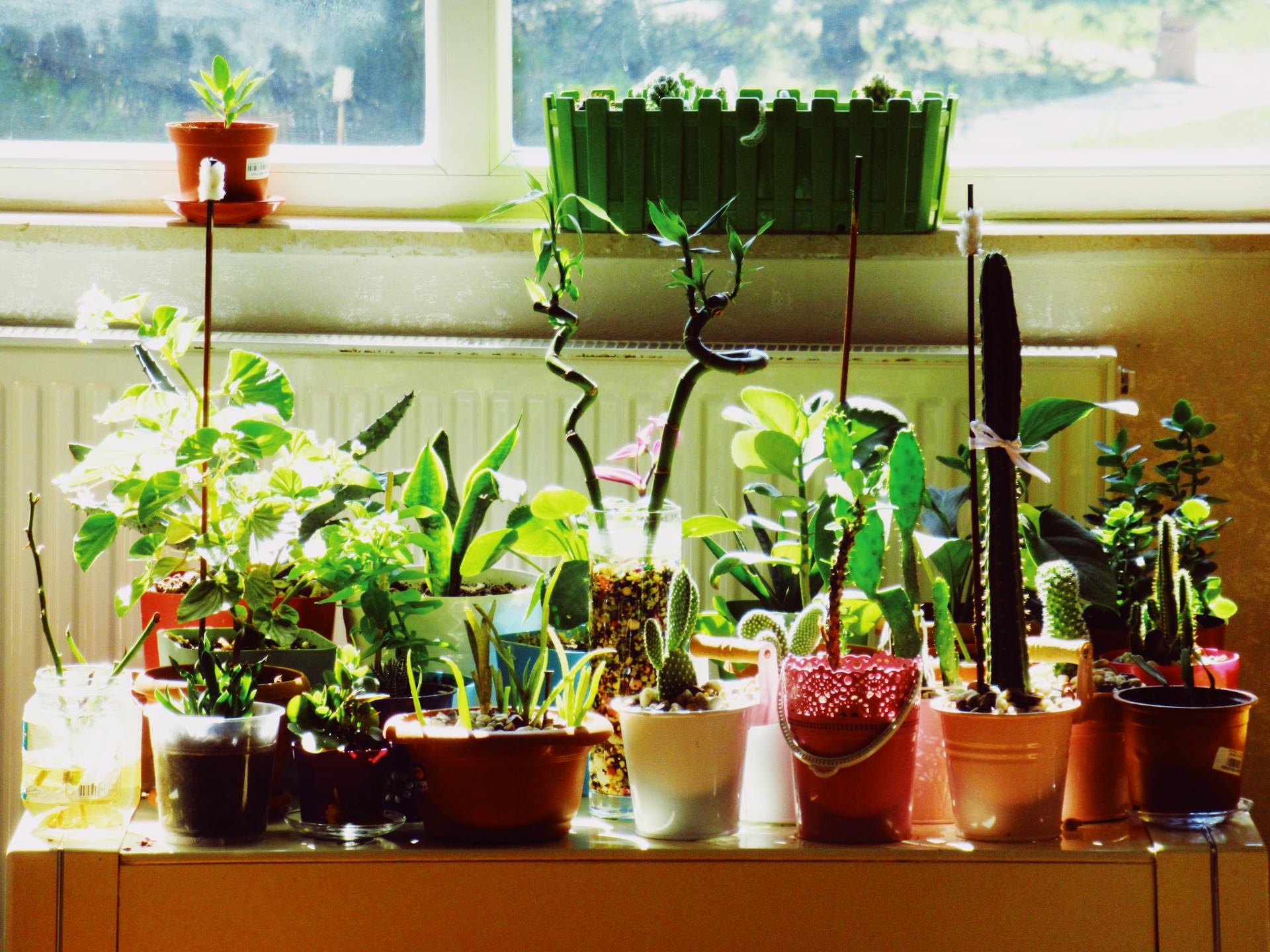
Indoor Plants
Are Plants Living Things? The Scientific Answer
Yes – plants are living things.
In the United States education system, plants are classified under the Kingdom Plants, a major group of living organisms. This classification isn’t philosophical or debatable—it’s based on observable, measurable biological processes. Plants may live differently than animals, but “different” does not mean “not alive.”
Plants Are Made of Living Cells
Plant Cells: The Foundation of Life
Every plant is made of plant cells, which are living units capable of carrying out life processes. These cells contain:
- A nucleus (genetic control center)
- Mitochondria (energy production)
- Chloroplasts (photosynthesis)
- A cell membrane and cell wall
Just like human cells, plant cells divide, specialize, age, and die. This alone confirms that plants are alive.
How Plants Use Energy to Stay Alive
Photosynthesis: How Plants Make Their Own Food
Unlike humans, plants don’t eat burgers or salads. Instead, they perform photosynthesis, one of the most important biological processes on Earth.
During photosynthesis, plants use:
- Sunlight
- Water
- Carbon dioxide
To produce:
- Glucose (food)
- Oxygen (released into the air)
This process fuels plant growth and produces the oxygen that humans and animals breathe. No photosynthesis = no life on Earth.
Do Plants Breathe? Yes—Just Not Like Humans
Plants don’t have lungs, but they respire, which means they take in oxygen and release carbon dioxide.
Stomata: Tiny Breathing Pores
Plants use tiny openings on their leaves called stomata to exchange gases with the environment. This process allows plants to:
- Absorb carbon dioxide for photosynthesis
- Release oxygen
- Control water loss
Respiration is a defining trait of life—and plants do it constantly.
How Plants Grow and Develop
Growth Is a Sign of Life
From seed to full-grown tree, plants undergo organized growth and development.
Key growth stages include:
- Germination
- Root and shoot development
- Leaf expansion
- Flowering and fruiting
Plants grow through cell division and cell enlargement, guided by genetic instructions—just like animals.
Do Plants Respond to Their Environment? Absolutely
Plants may not run away from danger, but they respond to stimuli in powerful ways.
Examples of Plant Responses
- Phototropism: Plants bend toward light
- Gravitropism: Roots grow downward, stems upward
- Thigmotropism: Vines wrap around objects
- Temperature response: Some flowers open and close based on heat
Response to stimuli is one of the strongest indicators of life.
Can Plants Communicate or Sense Danger?
Surprisingly, yes.
Plant Communication
Research from U.S. universities has shown that plants:
- Release chemicals when attacked by insects
- Warn nearby plants of danger
- Signal internally to activate defense systems
They don’t have brains, but they do have complex signaling networks.
How Plants Reproduce to Continue Life
Sexual Reproduction
Many plants reproduce through:
- Flowers
- Pollination (by bees, birds, wind)
- Seed formation
Asexual Reproduction
Plants can also reproduce without seeds through:
- Runners (strawberries)
- Tubers (potatoes)
- Cuttings (houseplants)
Reproduction ensures survival—another core feature of life.
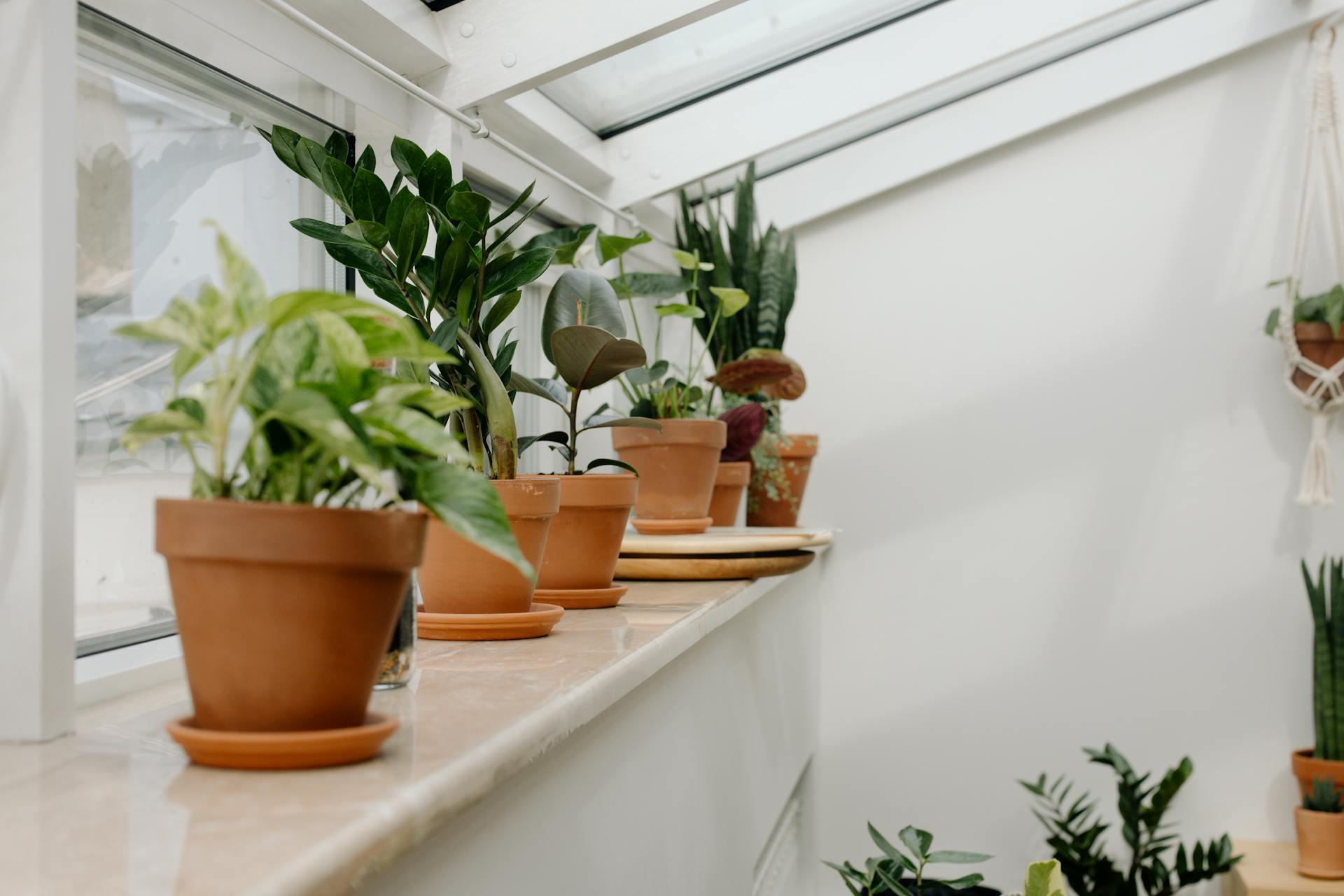
Houseplants
The Life Cycle of a Plant
A typical plant life cycle includes:
- Seed
- Germination
- Growth
- Reproduction
- Death
Some plants live for weeks, others for thousands of years—but all follow a life cycle.
Are plants alive like animals?
Similarities
- Both are made of cells
- Both use energy
- Both grow and reproduce
Differences
- Plants make their own food
- Plants don’t move quickly
- Plants don’t have nervous systems
These differences often cause confusion, but movement and thinking are not requirements for life.
Why Plants Are Essential for Life in the United States
Plants are foundational to American ecosystems and daily life.
They:
- Produce oxygen
- Provide food
- Support wildlife
- Improve air quality
- Regulate climate
- Support agriculture and the economy
From Midwest cornfields to California forests, plants keep the U.S. alive.
Common Myths About Plants Being Alive
“Plants Don’t Move”
They do—just slowly.
“Plants Don’t Feel Anything”
They don’t feel pain like humans, but they do sense and respond.
“Plants Are Basically Objects”
Scientifically false. Plants are dynamic, living systems.
What Science Ultimately Says
Biology leaves no room for debate: Plants are alive. They meet every biological definition of life and perform complex processes essential for Earth’s survival.
Conclusion: How Are Plants Alive?
Plants are alive because they grow, respire, reproduce, respond, and use energy—just in ways that are quieter and slower than animals. They are living systems that support all ecosystems, including human life. The next time you water a plant or walk through a park, remember—you’re surrounded by living organisms working nonstop to keep the planet alive.
FAQs
Q1. Are plants considered living things in science?
A: Yes. Plants are officially classified as living organisms.
Q2. Do plants need oxygen to survive?
A: Yes. Plants respire and require oxygen for cellular processes.
Q3. Can plants die?
A: Yes. Like all living things, plants can die from disease, lack of resources, or environmental stress.
Q4. Do plants feel pain like humans?
A: No, but they do sense damage and respond chemically.
Q5. Why are plants important to humans?
A: They provide oxygen, food, medicine, shelter, and environmental stability.